

The Economic Toll of Cybercrime
Cybercrime is no longer a peripheral issue – it’s a multi-trillion-dollar economy. Analysts project that the global cost of cybercrime will rise from $9.22 trillion in 2024 to $13.82 trillion by 2028. These losses include direct theft, data breaches, downtime, and regulatory fines.
For enterprises, this means cyber risk is not just an IT issue – it’s a boardroom priority. CISOs and CIOs need to rethink how to control an attack surface that now spans cloud services, SaaS platforms, hybrid work devices, and third-party vendors.
What a Data Breach Really Costs
Average breach cost
The average cost of a data breach worldwide hit $4.88 million in 2024, with U.S. organizations paying nearly double at $9.36 million. Smaller firms are not immune: mid-market companies often face breach costs between $3–5 million, while small businesses still report six- to seven-figure damages.
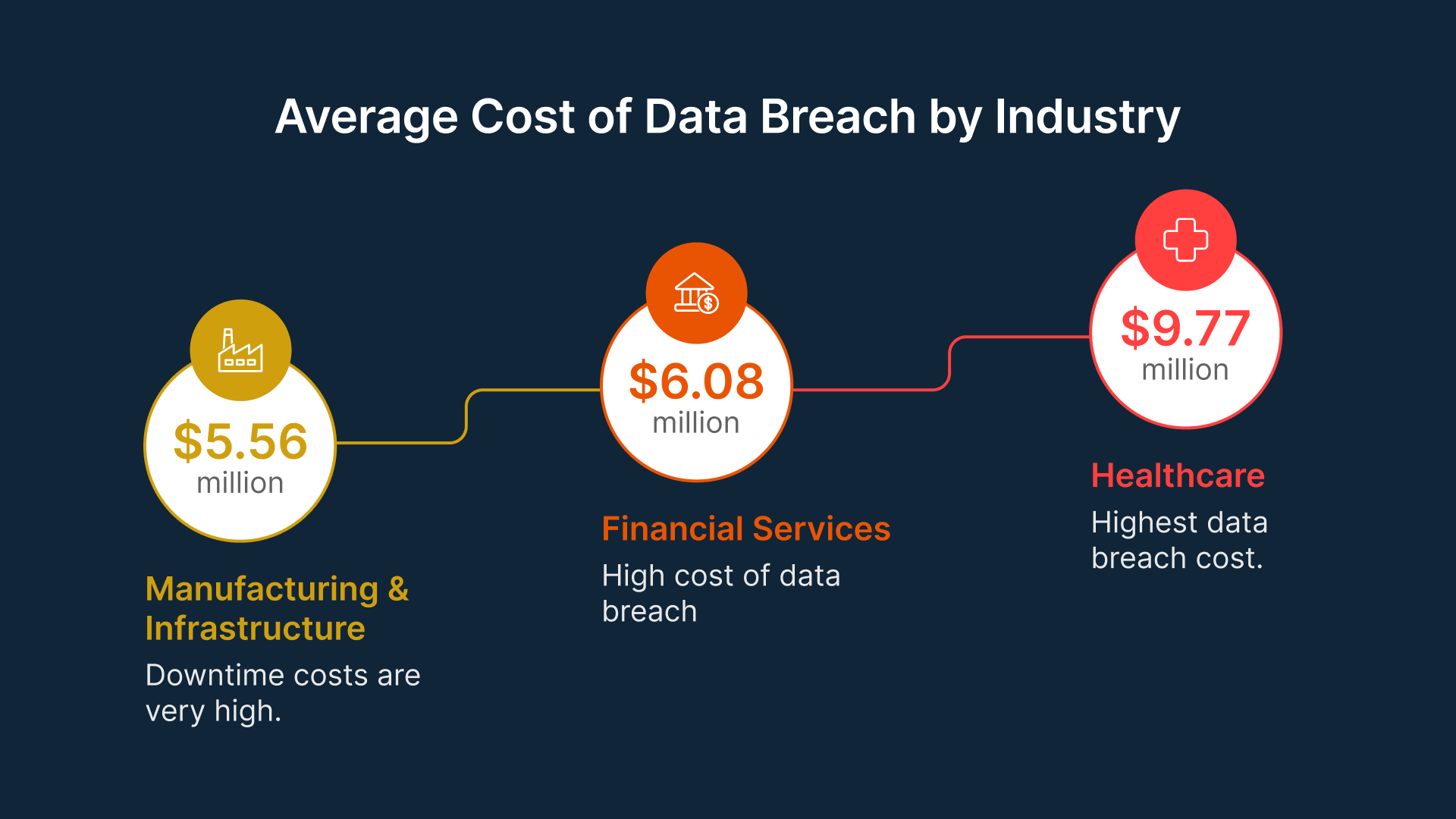
Breach cost by industry
- Healthcare: $9.77 million per breach
- Financial services: $6.08 million per breach
- Manufacturing & critical infrastructure: $5.56 million per breach, with downtime averaging $125,000 per hour
Breakdown of breach expenses
- Detection & escalation: $1.63M
- Post-breach response: $1.35M
- Lost business and reputation damage: $1.47M
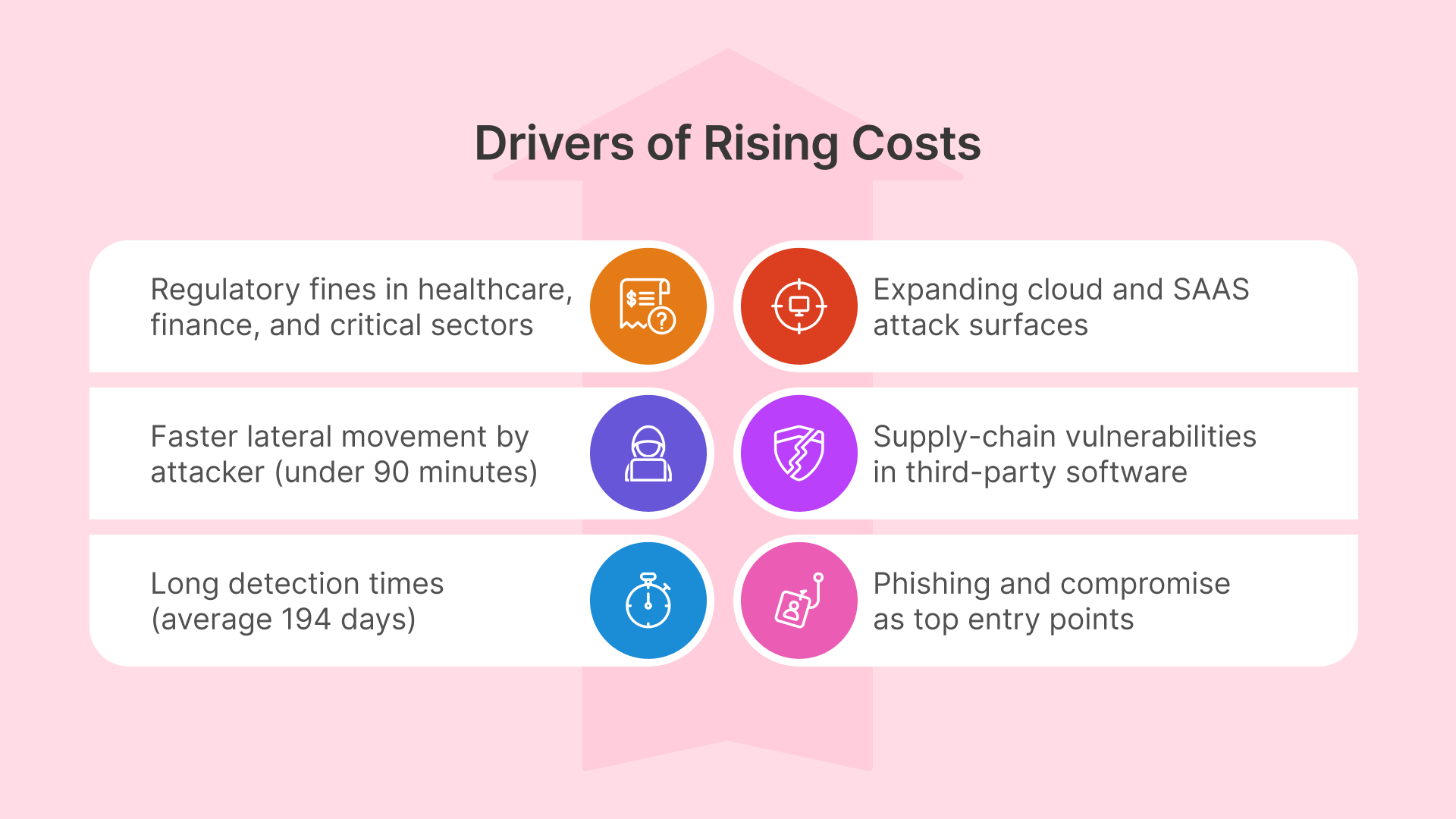
Recovery takes on average 194 days, while attackers can move laterally across systems in less than 90 minutes.
Ransomware: the costliest cyber threat
Ransomware attacks now average $5.13 million in damages, with ransom demands hovering around $2.7 million and downtime stretching to 24 days. Attack volumes have surged, and recovery times remain painfully long.
Small-business vulnerability
For SMBs, breaches typically cost $120,000 to $1.24 million. Half of SMBs need more than 24 hours to recover, and three-quarters say they could not survive a ransomware attack. Many lack cyber insurance and often end up paying ransoms directly – a devastating financial blow.
Case Studies: Cyber Costs in Action



These cases highlight how one successful intrusion can spiral into massive financial losses.
Virtual Desktop Infrastructure (VDI): A Strategic Cost-Control Tool
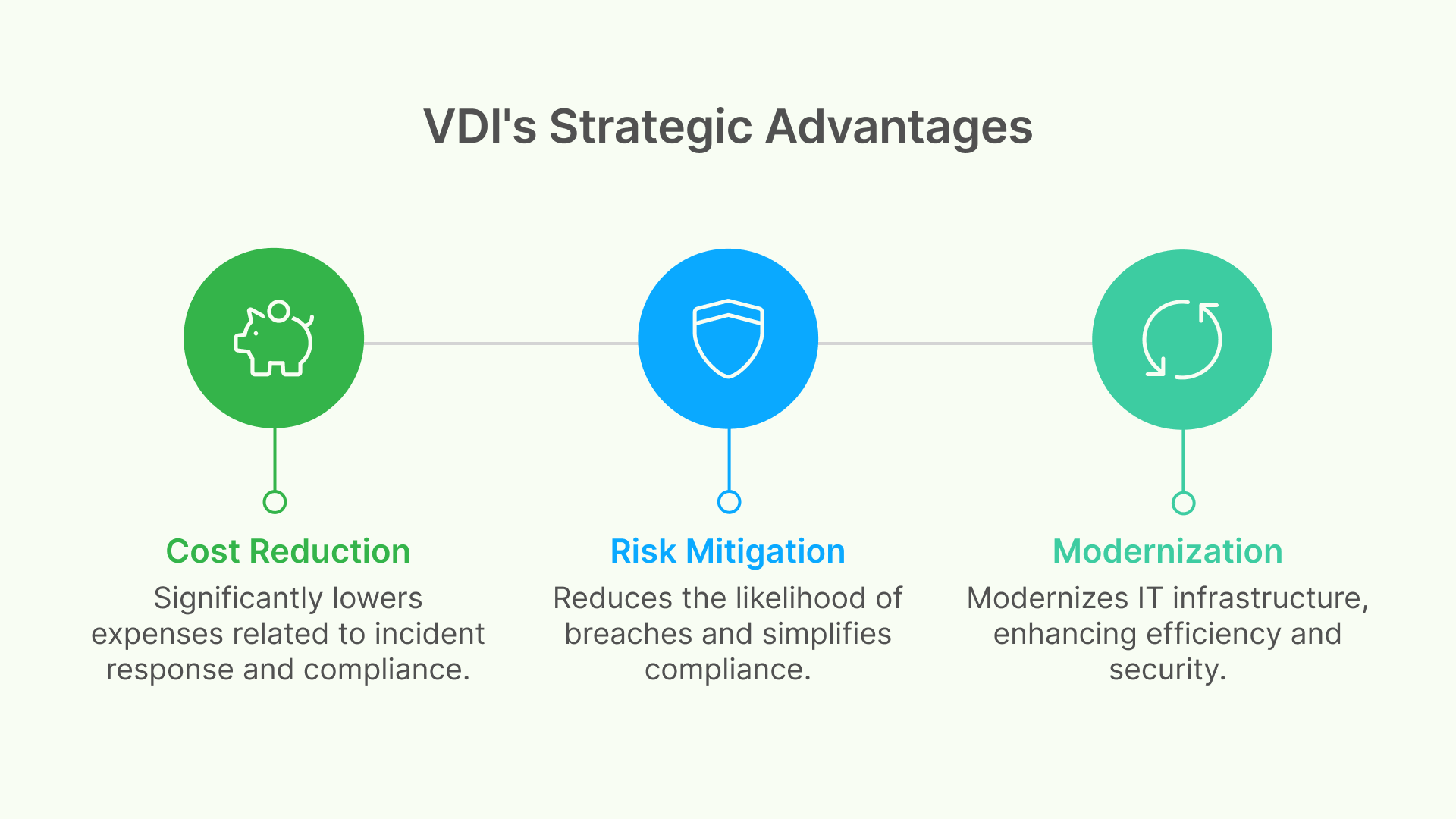
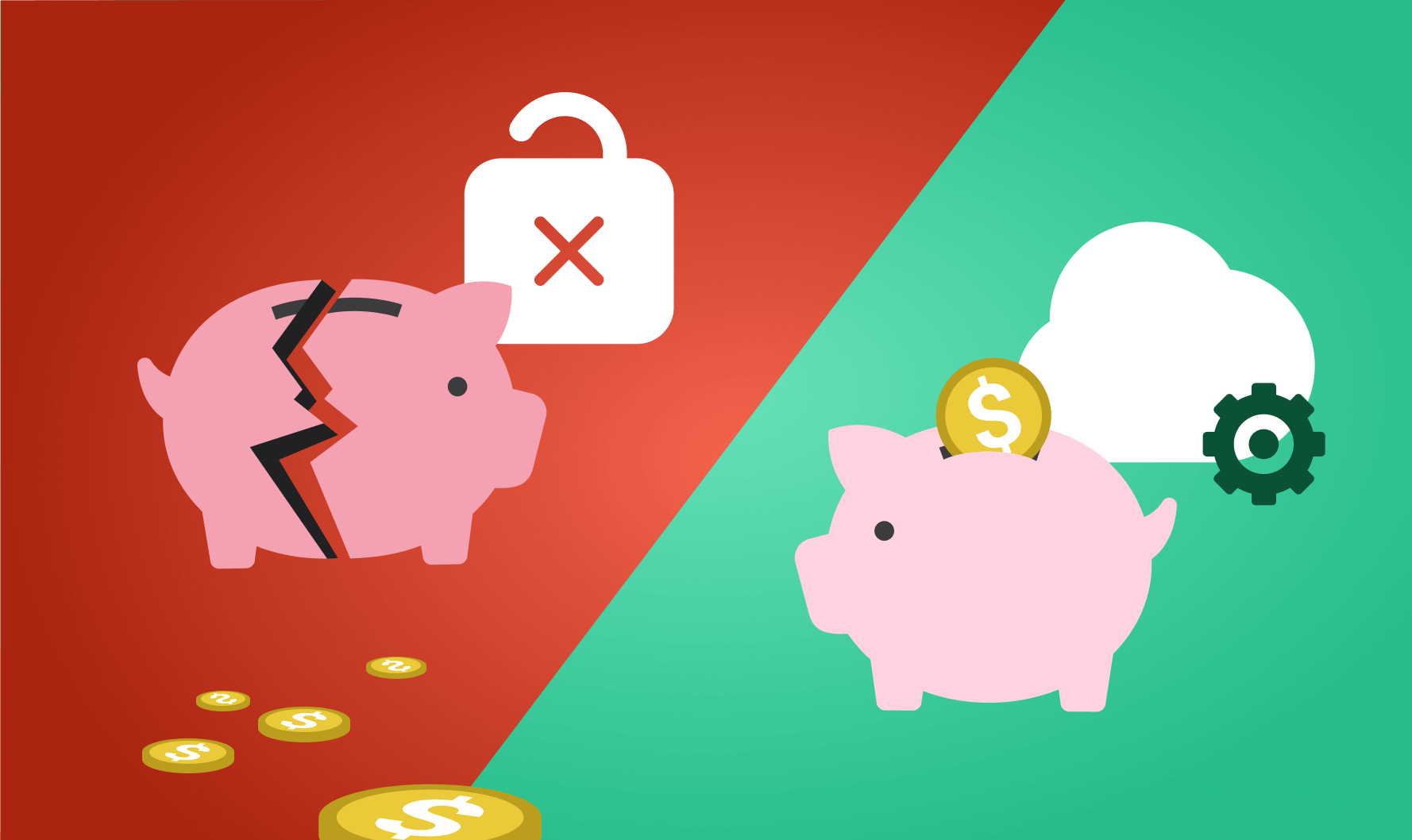
With the cost of breaches climbing, prevention is dramatically cheaper than recovery. Organizations using VDI as part of a Zero Trust model report significant savings in both incident response and compliance.
How VDI Mitigates Financial Risk
- Centralized Data, Zero Endpoint Loss
Data stays in the data center or cloud. Stolen laptops or compromised endpoints can’t expose sensitive information. - Micro-Segmentation & Policy Enforcement
Users only access approved applications and desktops, eliminating lateral movement. - Ransomware Resistance
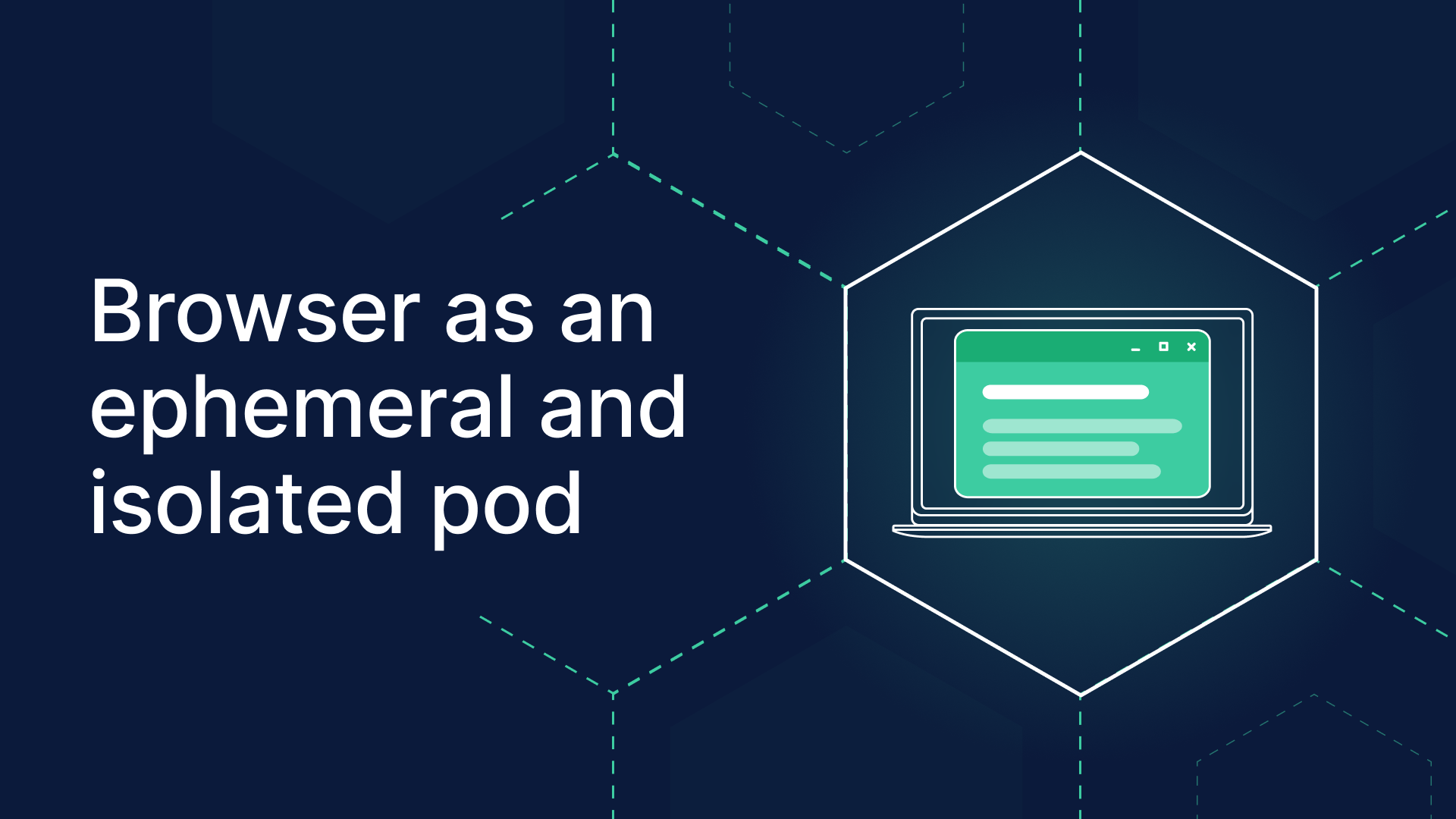
No data resides locally, so endpoint ransomware cannot encrypt corporate files. Sessions are ephemeral and easily replaced. - Rapid Detection & Response
Integrated monitoring and SIEM/SOC feeds allow real-time detection of anomalies and quick session termination. - Uniform Patch Management
Virtual desktops are patched centrally, closing vulnerabilities across the fleet simultaneously. - Compliance Simplification
Centralized access control, detailed logging, and session recording provide clear audit trails for HIPAA, GDPR, PCI, and ISO requirements. - Business Continuity
If an endpoint is compromised, employees can reconnect from any clean device instantly. This reduces downtime, which can cost hundreds of thousands per hour. - Scalability and Cost Efficiency
Cloud-native VDI like Thinfinity on Oracle Cloud scales on demand, avoiding costly over-provisioning and reducing overall TCO.
Why CISOs and CIOs Should Act Now
The financial reality is stark:
- Average breach = $4.88M
- Average ransomware = $5.13M
- Healthcare breach = $9.77M
- SMB survival rate after ransomware = only 25%
VDI provides a direct way to lower these risks while simultaneously modernizing IT. For CISOs, this means turning VDI into a cybersecurity control point that reduces breach probability, simplifies compliance, and cuts total cost of ownership.
Conclusion: Prevention Pays
Cybercrime costs are climbing into trillions, with ransomware and data breaches inflicting record-high damages. The numbers prove that prevention is always cheaper than cure.
Virtual Desktop Infrastructure on Oracle Cloud transforms end-user computing from a weak link into a strong security control plane. By centralizing data, enabling Zero Trust access, and simplifying compliance, VDI helps enterprises avoid multi-million-dollar losses, reduce downtime, and future-proof their cybersecurity strategy.
For CISOs and IT leaders, investing in VDI cybersecurity is no longer optional – it’s the most cost-effective way to defend the enterprise.