

Why Partners Should Pay Attention
The way enterprises deliver desktops and applications is changing fast. Hybrid work has become the norm, compliance requirements are stricter than ever, and infrastructure costs keep rising. Legacy solutions such as Citrix or VMware, while powerful, often carry high licensing costs and architectural complexity that slow down both customers and partners.
This environment creates an opportunity for Oracle partners and MSPs. By packaging Desktop-as-a-Service (DaaS) and Virtual Applications on Oracle Cloud Infrastructure (OCI) with Thinfinity Workspace, partners can launch a repeatable managed service that’s:
- Secure by design (Zero Trust-aligned)
- Cost-predictable, thanks to OCI’s unique pricing model
- Scalable across industries and regions
- Lightweight and efficient, avoiding extra licensing layers
But success requires more than technology—it demands a framework that standardizes how services are built, delivered, and optimized.
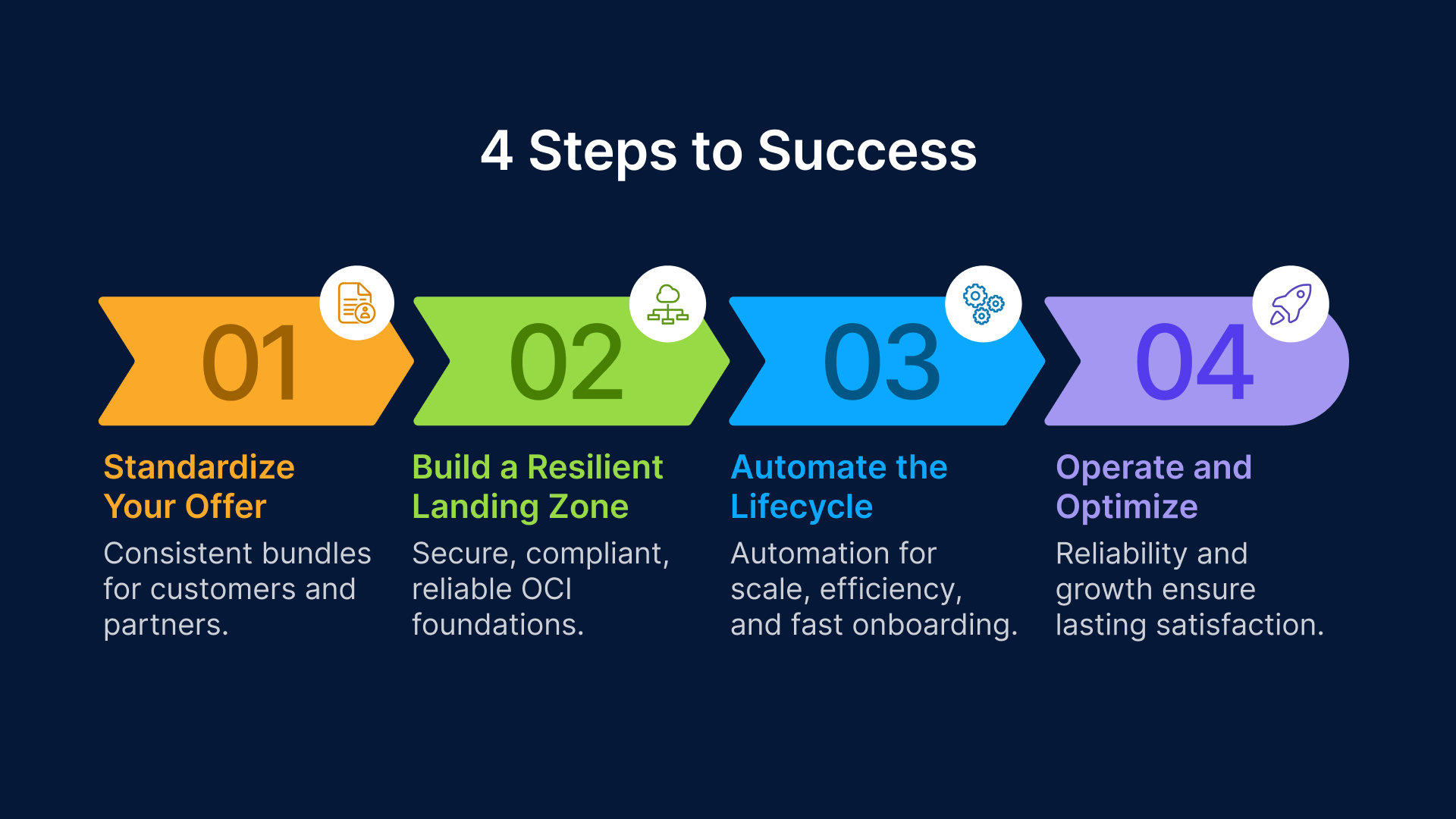
Step 1: Standardize Your Offer
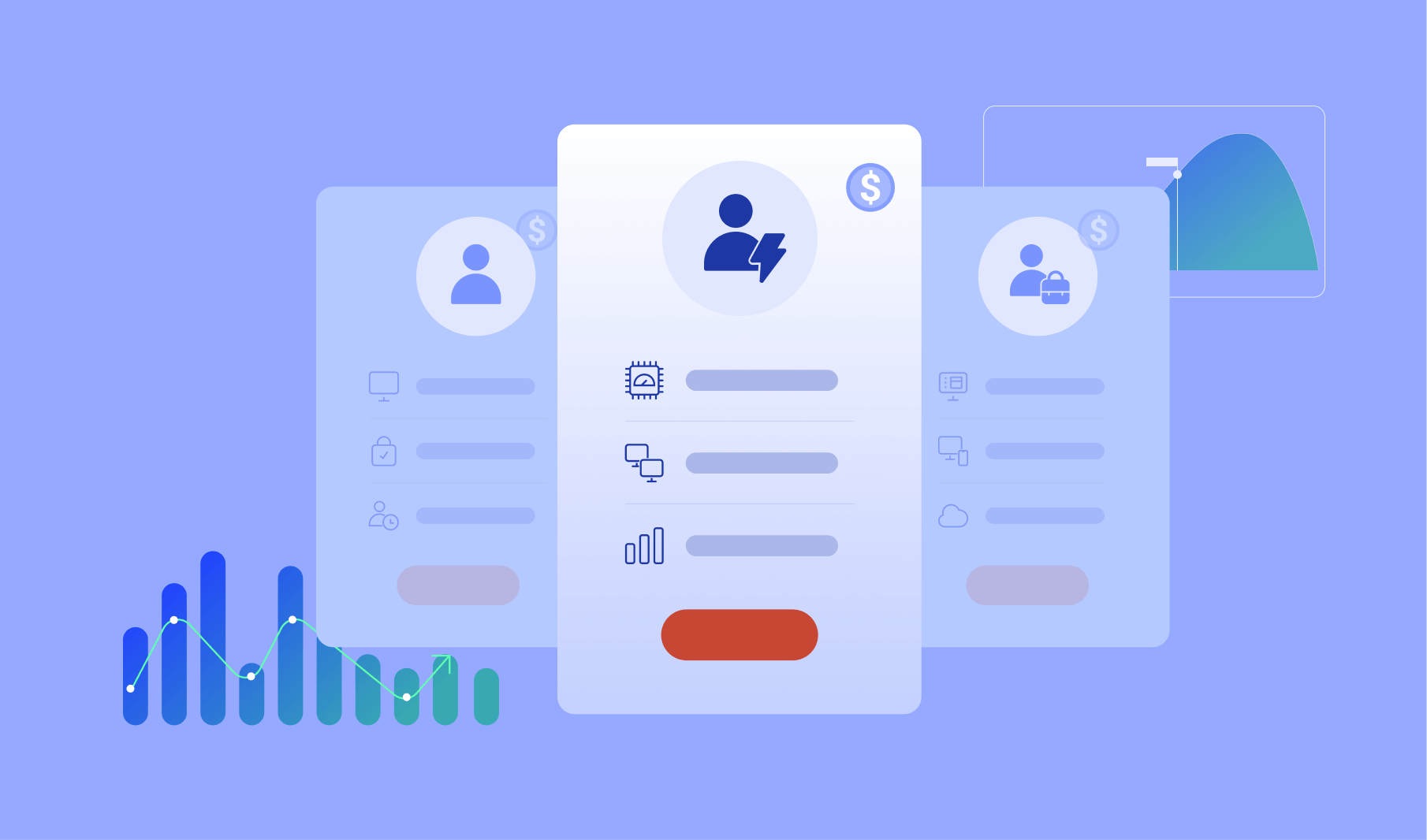
The first step is clarity. Customers prefer knowing exactly what they’re buying, and partners benefit from repeatable service bundles. A simple Good/Better/Best model works well:
- Task Workers: Session-based desktops for routine, transactional roles.
- Knowledge Workers: Persistent or non-persistent VDI with seamless access to corporate applications.
- GPU Power Users: High-performance desktops for CAD, design, or video workloads.
- App-Only Access: Secure web application publishing without deploying full desktops.
Every bundle should also come with identity federation, multi-factor authentication (MFA), and a patch/update SLA. This approach sets the right customer expectations while giving partners predictable delivery models.
Step 2: Build a Resilient Landing Zone
With service bundles in place, partners must establish a strong foundation inside OCI. Depending on customer needs, this could be a multi-tenant environment for efficiency or a dedicated tenancy for regulated industries like healthcare or government.
Core elements of a successful landing zone include:
- Network segmentation to isolate workloads
- Centralized monitoring and logging for visibility
- Secure secret management for credentials and policies
- Golden images per persona, pre-loaded with apps and telemetry
By creating this foundation, onboarding becomes faster, compliance is built-in, and service quality remains consistent across every customer deployment.
Step 3: Automate the Lifecycle
Profitability and scalability depend on automation. Here, Thinfinity Cloud Manager, tightly integrated with OCI’s native hypervisor, is a key differentiator. Partners should automate desktop and application delivery using Infrastructure-as-Code (IaC), ensuring deployments are consistent and repeatable.
Autoscaling policies can be tuned to combine predictable, schedule-based scaling with elasticity for peak demand. Self-service catalogs empower customers to spin up desktops or apps when needed, while workflow-based approvals maintain IT governance.
The outcome? Faster onboarding, reduced manual overhead, and the ability to serve more customers without adding extra staff.
Step 4: Operate and Continuously Optimize
Launching the service is only the beginning. Long-term customer satisfaction depends on reliability and continuous improvement. Partners should adopt operational practices such as:
- 24×7 monitoring supported by playbooks for quick incident response
- Monthly compliance and security reports for peace of mind
- Quarterly reviews focused on cost optimization, image hygiene, and updated policies
To expand reach even further, partners can publish their DaaS offerings on the OCI Marketplace, making procurement and billing seamless while aligning directly with Oracle’s go-to-market engine.
The Payoff
By following this framework, Oracle partners and MSPs can transform Thinfinity on OCI into more than just a technology solution. It becomes a repeatable, scalable business model:
- Customers enjoy reduced risk, easier compliance, and a modern digital workspace.
- Partners build a differentiated service that generates recurring revenue and strengthens their role as trusted advisors.
Final Take
The enterprise workspace market is at a crossroads. Legacy vendors are weighed down by cost and complexity, but demand for secure, agile, and affordable virtual desktops and apps continues to rise.
By combining Thinfinity Workspace with OCI, Oracle partners and MSPs can seize this moment—standardizing, automating, and scaling a DaaS offering that meets today’s enterprise challenges while preparing for tomorrow’s growth.
This isn’t just about deploying desktops. It’s about building a profitable, repeatable business engine that thrives in the new era of hybrid work.