

Detected news: Citrix license renewal increases of up to 200%
Source: Citrix user community (Reddit)
Reference: r/Citrix – Reports of 100% to 200% price increases at renewal
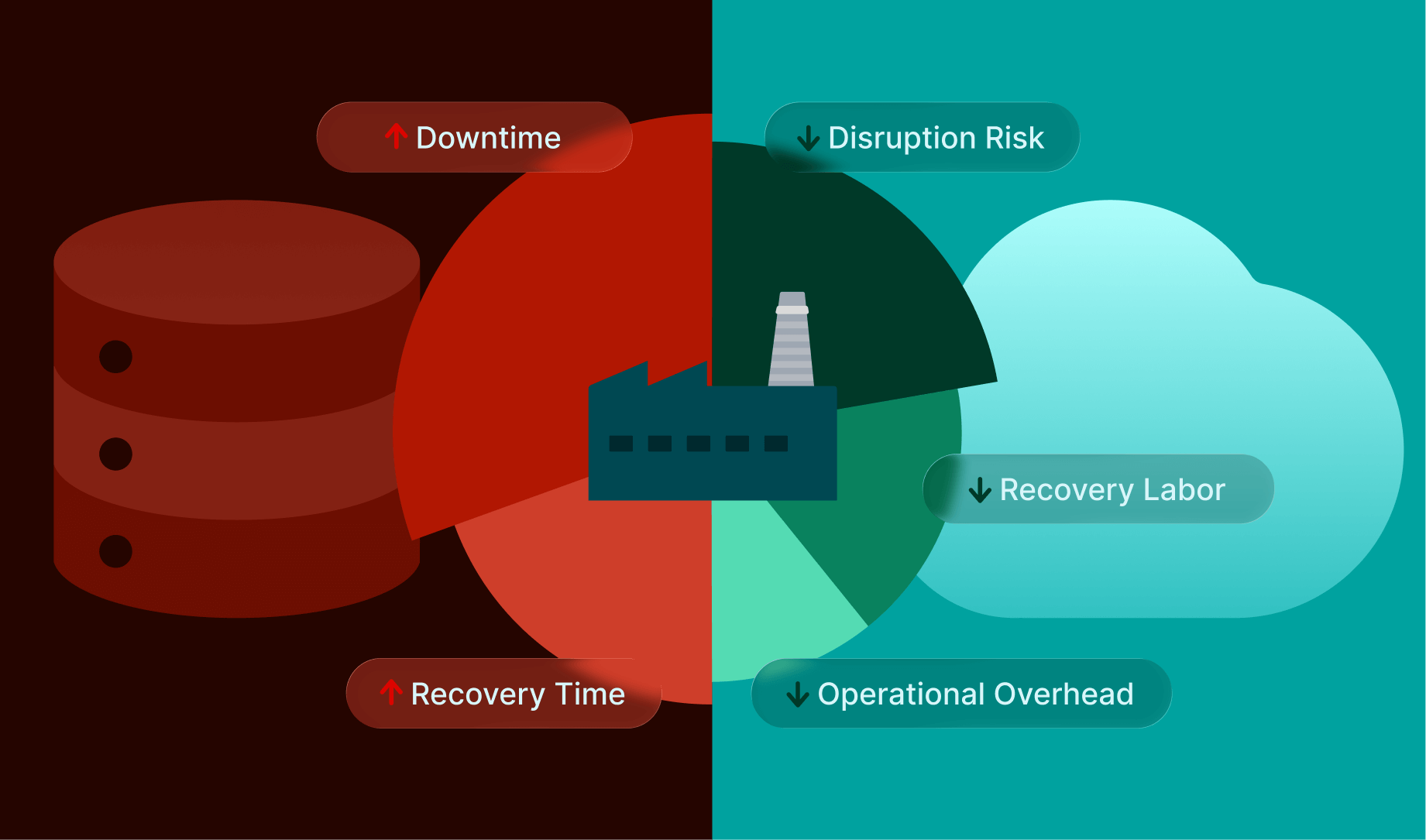
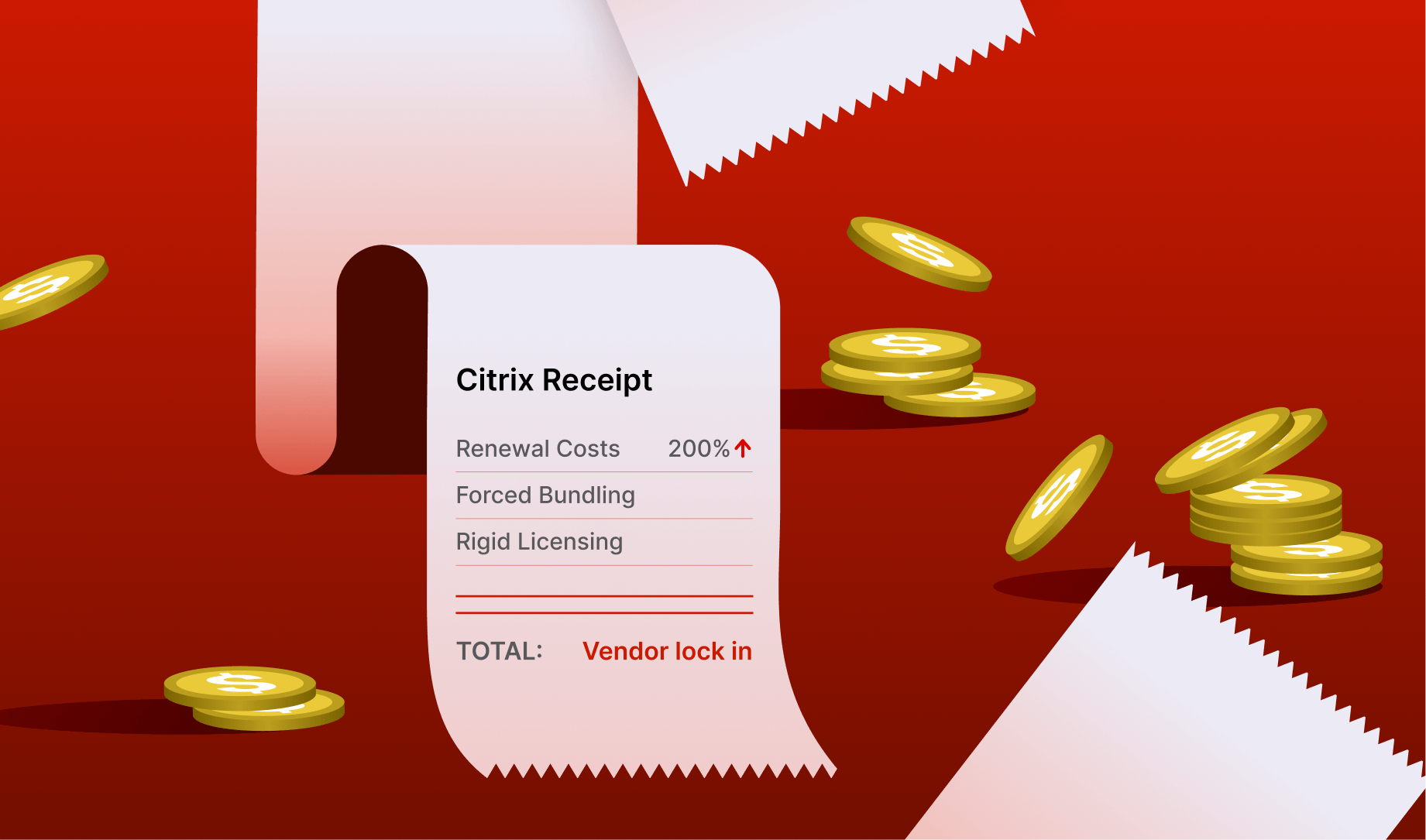
In recent weeks, multiple IT administrators and infrastructure architects have reported sharp and unexpected increases in Citrix license renewal costs, in some cases reaching up to 200% year-over-year.
While Citrix has been evolving its commercial model since going private, the scale and unpredictability of these increases are raising serious concerns across the enterprise IT landscape—particularly among organizations with mature VDI and Virtual Apps deployments.
What Is Happening with Citrix Renewals?
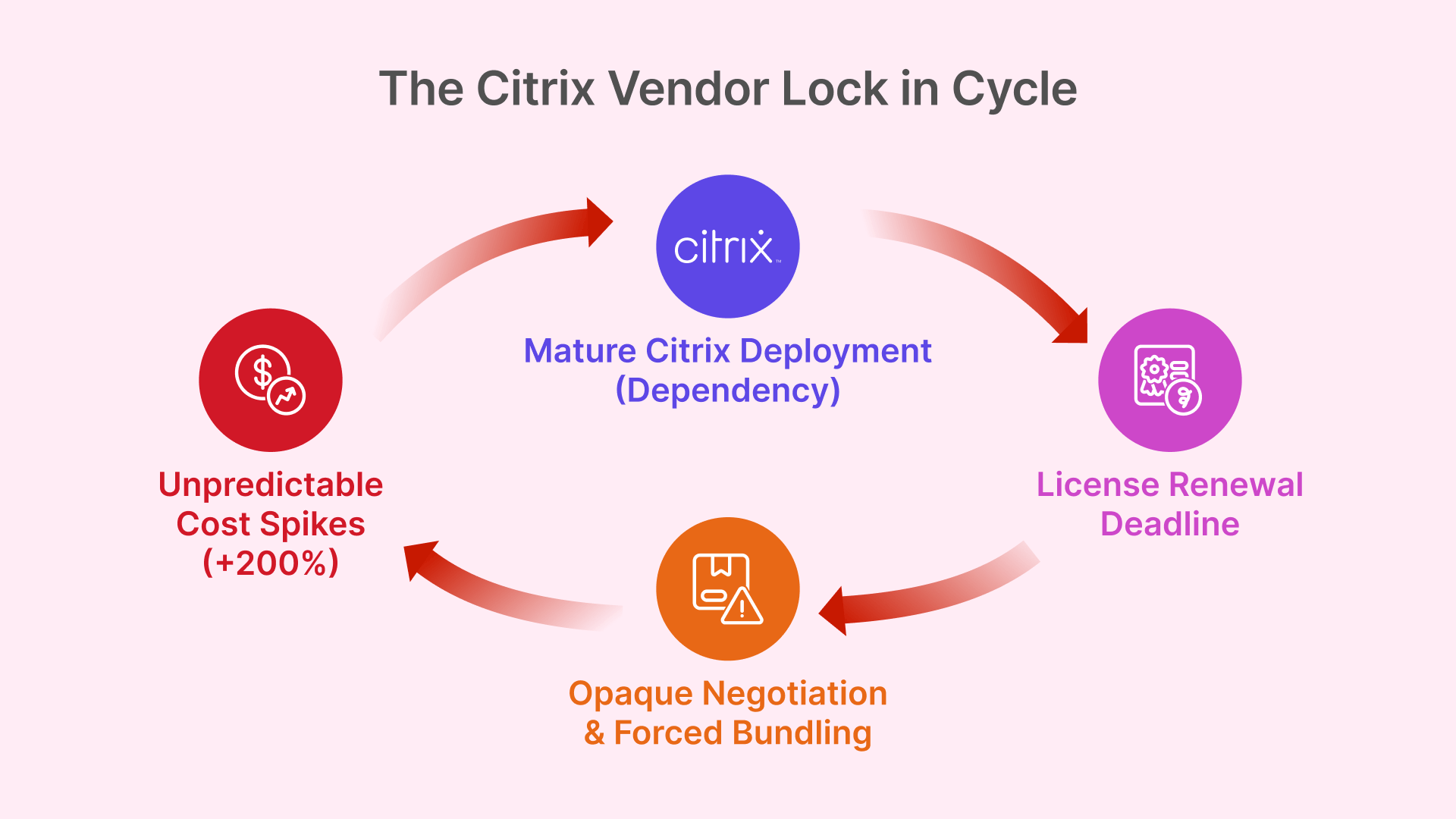
Across user reports, several recurring patterns emerge:
- Significant price increases without proportional feature improvements
- Forced migration to more expensive licensing bundles
- Reduced flexibility for hybrid or legacy licensing models
- Commercial negotiations perceived as opaque and one-sided
For many organizations, the issue is not just higher costs, but the loss of financial predictability in a mission-critical layer of their IT stack.
Direct Impact on IT and Finance Teams
From both operational and financial perspectives, the consequences are tangible:
- Sharp increases in Total Cost of Ownership (TCO)
- Difficulty planning multi-year IT budgets
- Increased vendor lock-in risk
- Growing pressure to justify escalating costs to CFOs and executive boards
A recurring sentiment among affected customers is clear:
“We no longer control the cost of our own platform.”
When Licensing Becomes a Strategic Risk
VDI and Virtual Apps were historically adopted to reduce costs, centralize control, and improve security.
When licensing itself becomes volatile and unpredictable, the original value proposition erodes.
This explains why many enterprises are now reassessing:
- Their dependency on a single vendor
- The accumulated complexity of the Citrix stack
- Whether simpler, more transparent architectures can deliver the same outcomes
The Rise of More Predictable VDI Alternatives
A clear market trend is emerging:
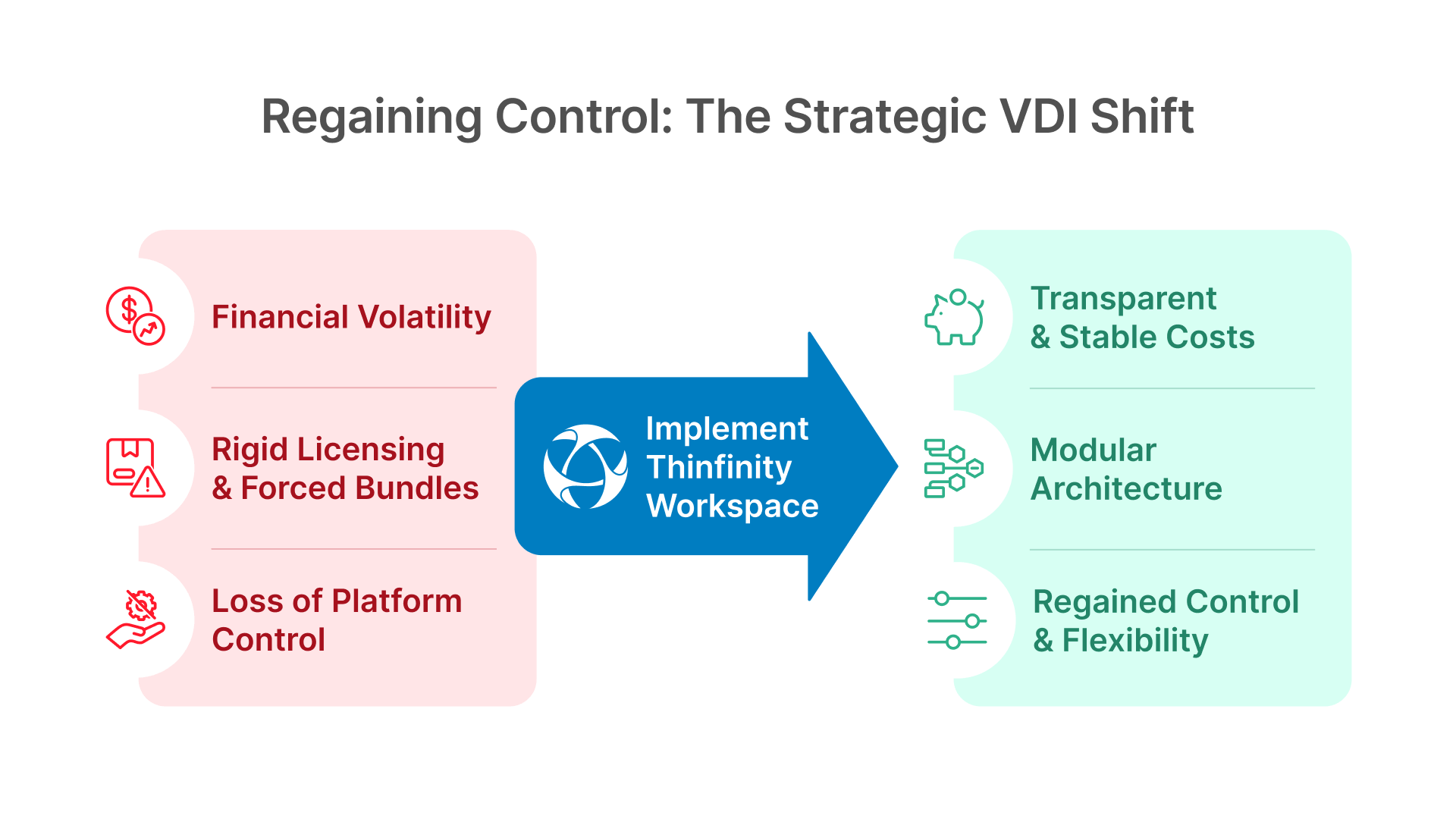
Enterprises are actively evaluating VDI platforms that restore cost control without sacrificing security or user experience.
These evaluations increasingly prioritize:
- Lightweight, modular architectures
- Transparent and stable licensing models
- Separation between infrastructure and control plane
- Efficient use of public cloud without rigid dependencies
Thinfinity on OCI: Gaining Attention as a Practical Alternative
Without forced migrations or disruptive redesigns, Thinfinity Workspace on Oracle Cloud Infrastructure (OCI) is being considered by organizations where Citrix has become financially unsustainable.
Key Differentiators in This Context
From an objective standpoint:
- Clear and predictable licensing, without abrupt price hikes
- Native support for VDI and Virtual Apps without unnecessary layering
- Deployment on OCI, benefiting from competitive compute and network costs
- Strong support for hybrid and multi-cloud environments
- Zero Trust access built into the platform architecture
For many IT leaders, the real differentiator is not feature volume, but regaining control over architecture and long-term costs.
OCI as an Enabler of Cost Predictability
Oracle Cloud Infrastructure plays a central role in these discussions:
- Significantly lower network egress costs
- Stable, long-term pricing models
- Strong performance for VDI workloads
- Granular control over networking and security
The Thinfinity + OCI combination allows enterprises to design modern VDI environments without inheriting the cost volatility and architectural complexity of traditional stacks.
Is It Time to Reevaluate Your VDI Platform?
The reported Citrix price increases are not isolated incidents—they reflect a structural shift in vendor strategy.
This moment presents an opportunity for organizations to:
- Audit their real VDI TCO
- Evaluate alternatives ahead of renewal deadlines
- Reduce financial and operational risk
- Design a controlled, non-disruptive exit strategy if needed
Conclusion
The message is clear: licensing unpredictability is now a strategic risk.
Organizations that act early—through assessment and planning—will be far better positioned than those forced into reactive decisions under commercial pressure.
Thinfinity on OCI does not position itself as a disruptive promise, but as a technically sound, financially predictable alternative aligned with enterprise requirements.
In a market where control is becoming a priority again, that distinction matters.