

Capital Expenditure vs Operational Expenditure in Education
The Hidden Costs of CapEx-Driven VDI
Traditional VDI environments concentrate cost upfront. Servers, storage, GPUs, and networking equipment are purchased years in advance, based on forecasts that are often outdated before deployment is complete.
Beyond acquisition, institutions must account for:
- Maintenance contracts
- Datacenter power and cooling
- Hardware lifecycle management
- Staff time for upgrades and patching
These costs are difficult to reduce once incurred, even if demand decreases.
OpEx Models Shift Responsibility, Not Accountability
Cloud VDI moves cost into operational expenditure, which improves flexibility but introduces new governance challenges. Without visibility into usage patterns, cloud spend can drift quietly.
The difference is that OpEx can be optimized continuously. CapEx cannot.
For universities, the question is not whether cloud is cheaper by default, but whether the institution has the architectural controls to align consumption with academic schedules.
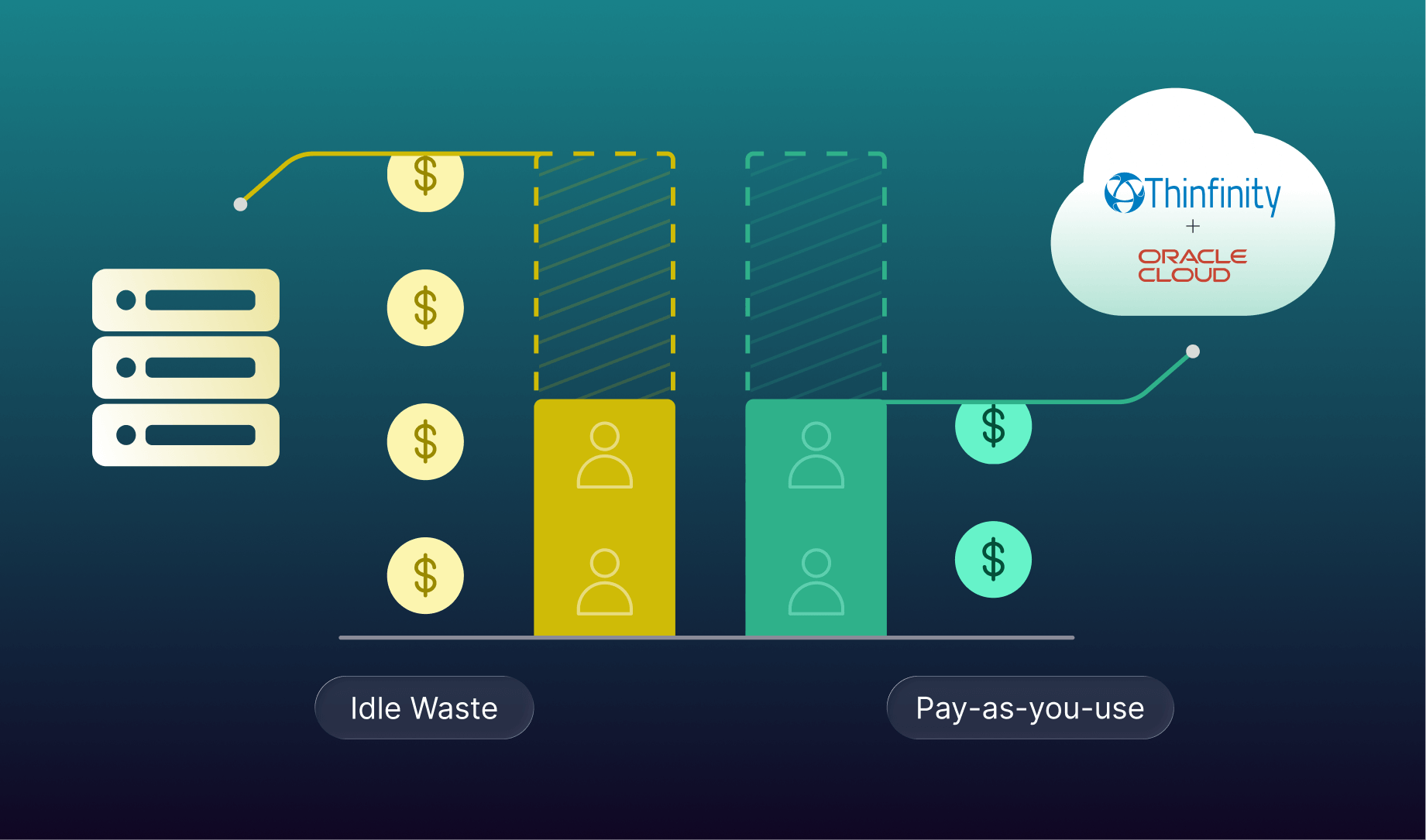
The Cost of Idle Time in Academic VDI
Idle Infrastructure Is Not Free
Idle lab machines still consume:
- Power
- Cooling
- Software licenses
- Administrative attention
Even traditional VDI desktops, when left running, incur storage, backup, and management overhead.
Idle time represents one of the largest hidden costs in academic IT—and one of the hardest to justify to budget committees.
Cloud VDI Makes Idle Time Visible
In cloud environments, idle resources appear immediately in cost reports. This visibility can feel uncomfortable at first, but it creates accountability.
When desktops are powered down, costs drop. When classes end, environments can be removed. Over time, this transparency encourages better alignment between IT operations and academic planning.
GPU Workloads: Where Cost and Reliability Intersect
Specialized Programs Amplify Cost Pressure
Engineering, architecture, and design programs often require GPU-accelerated desktops. In traditional labs, this means expensive hardware that sits unused outside class hours.
In cloud VDI, GPU resources are expensive—but they are also precisely measurable.
The cost challenge is not GPU pricing alone, but whether GPUs are allocated continuously or only when needed.
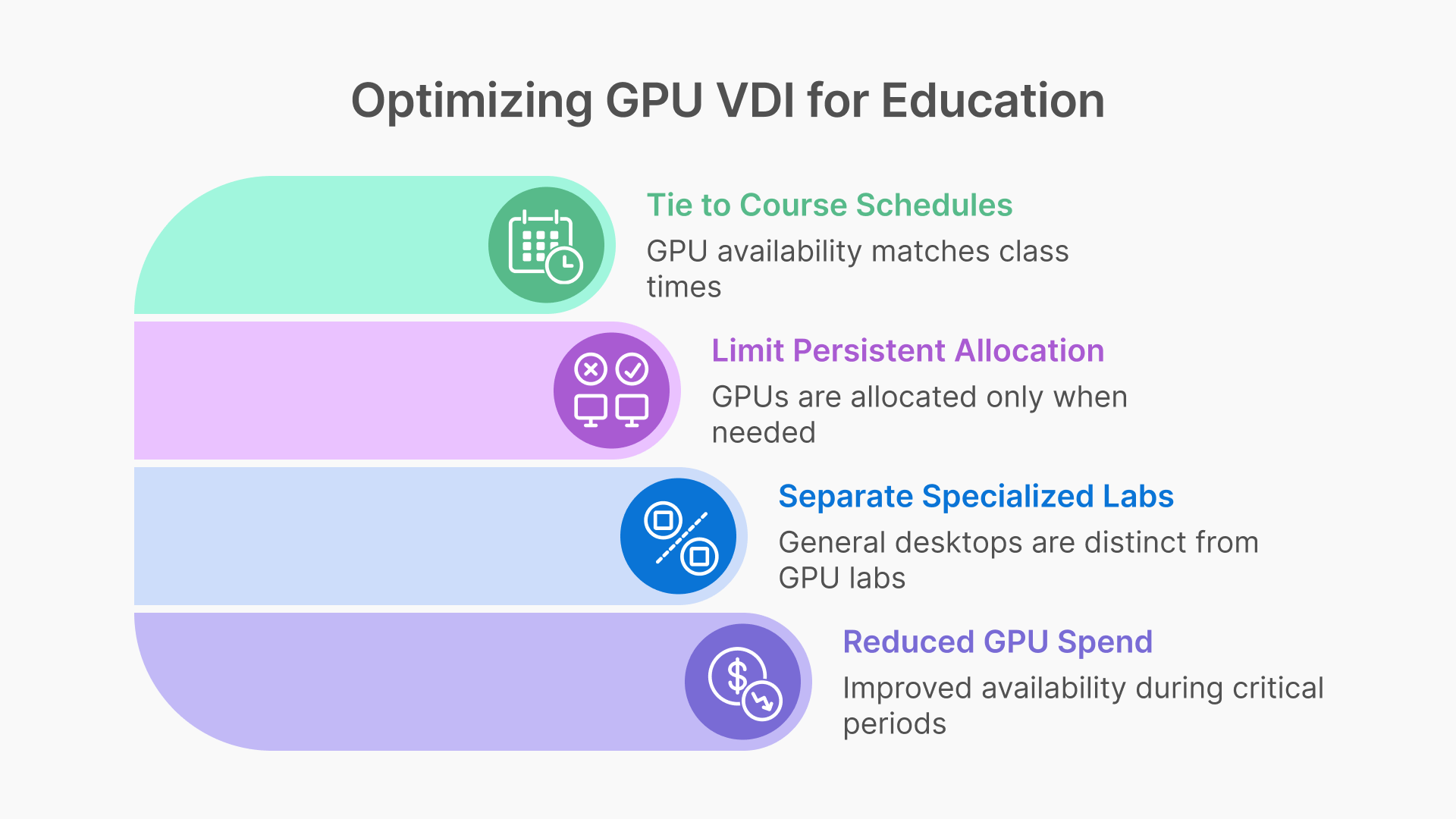
Designing GPU VDI for Education
Sustainable models:
- Tie GPU availability to course schedules
- Limit persistent allocation
- Separate general desktops from specialized labs
When GPU usage is orchestrated rather than static, cloud VDI can reduce total GPU spend while improving availability during critical periods.
The Operational Cost of Complexity
Complexity Is a Financial Risk
In both traditional and cloud VDI, complexity drives cost indirectly. Over-engineered environments require more staff time, more troubleshooting, and more institutional knowledge to maintain.
In education, where IT teams are often lean, complexity becomes a scaling constraint.
Architecture as a Cost Control Mechanism
Access-centric and orchestration-driven architectures reduce:
- Manual intervention
- Environment sprawl
- Shadow IT adoption
- Emergency capacity expansions
These reductions rarely appear in cost calculators, but they materially affect long-term sustainability.
OCI and Cost Predictability in Academic Cloud VDI
Why Predictable Economics Matter in Education
Universities operate under strict budget cycles. Sudden cost spikes—especially those tied to network usage or inter-service traffic—are difficult to absorb.
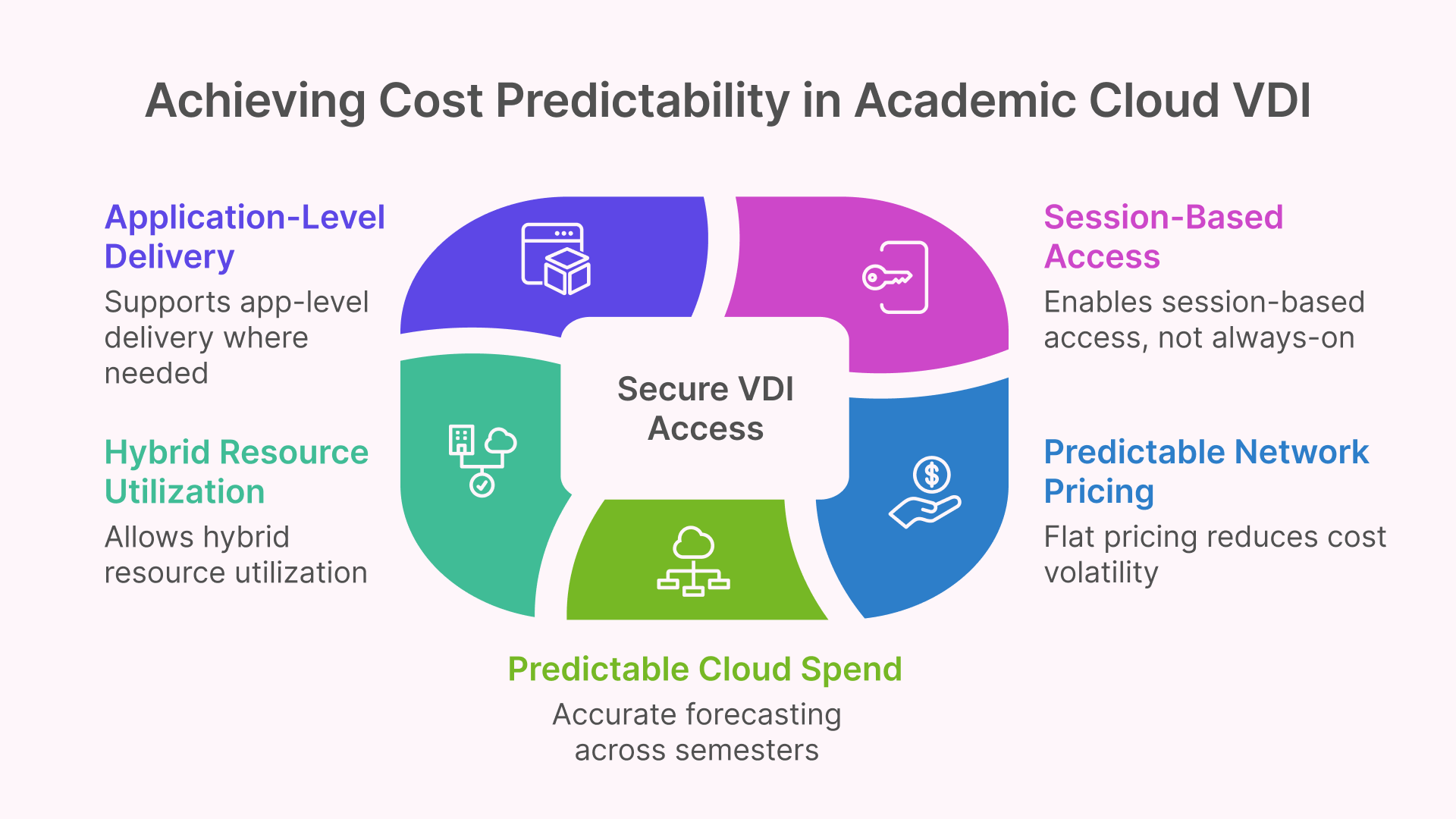
OCI’s flat and predictable network pricing reduces one of the most common sources of cloud VDI cost volatility. This predictability enables institutions to forecast spend more accurately across semesters and academic years.
Thinfinity’s Role in Cost Governance
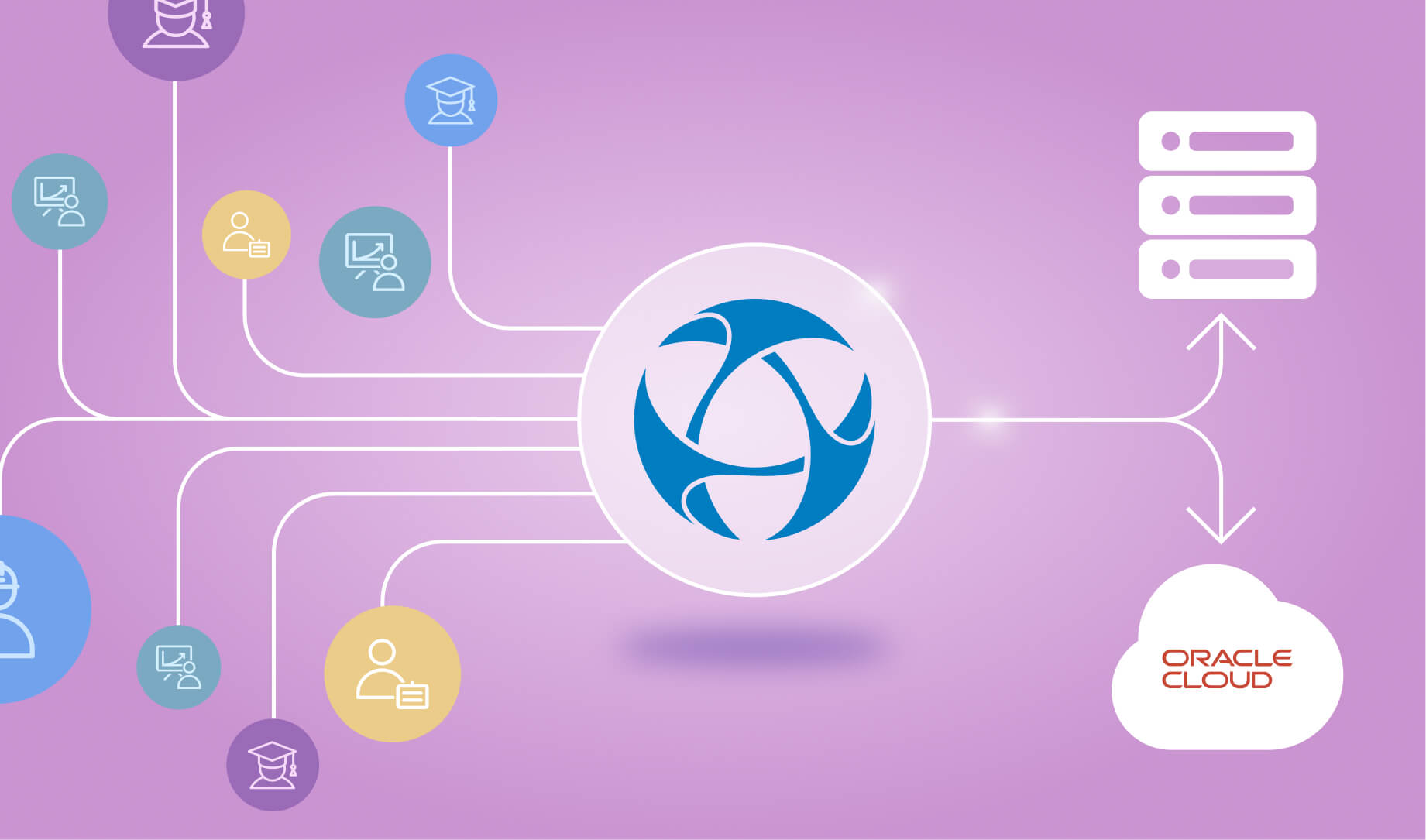
Within cloud VDI architectures on OCI, Thinfinity Workspace typically contributes to cost control by:
- Enabling session-based access rather than always-on desktops
- Supporting application-level delivery where full desktops are unnecessary
- Allowing hybrid resource utilization without duplicating infrastructure
Cost efficiency emerges not from aggressive optimization, but from designing usage patterns that reflect academic reality.
Cost Over Time: The Metric That Matters Most
For university leadership, the most meaningful comparison is not month-one cost, but cost behavior over three to five years.
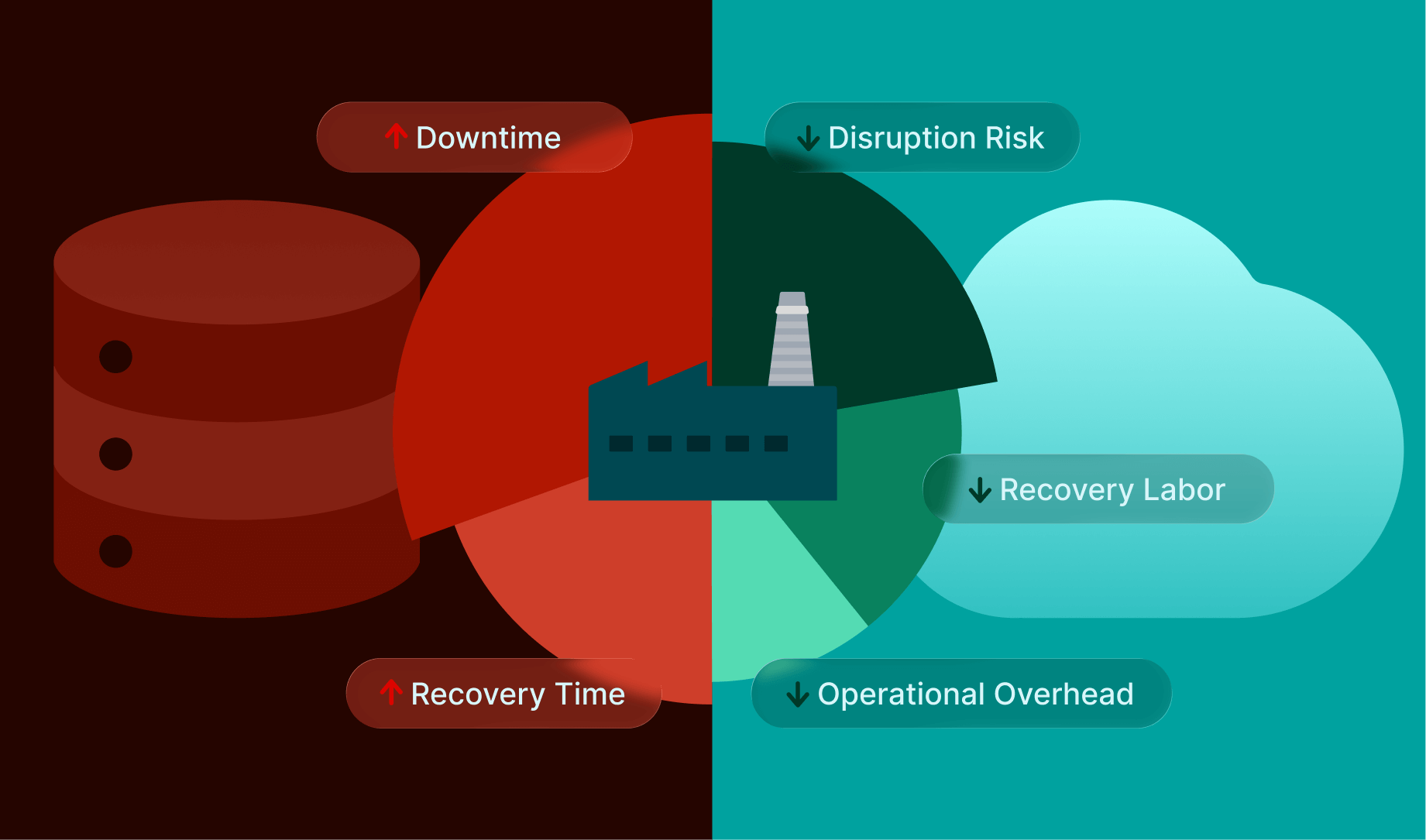
Traditional VDI environments front-load investment and limit adaptability. Cloud VDI environments shift cost into ongoing consumption but allow continuous optimization.
When aligned with academic schedules, identity-driven access, and orchestration layers, cloud VDI can reduce total cost of ownership while improving reliability.
Conclusion: Sustainable VDI Economics Require Architectural Intent
VDI cost in education is not a pricing problem—it is an architectural one.
Institutions that design VDI around peak usage, static capacity, and perpetual availability will continue to pay for idle infrastructure. Those that align delivery models with academic rhythms gain both financial and operational resilience.
As outlined in “Traditional VDI vs Cloud VDI for Education: Where Each Model Actually Works,” the most successful universities evaluate VDI not as a cost-cutting exercise, but as a long-term platform decision.